3 Refund-Finding and Filing Services
Question for this chapter. Some services offer to find refunds you missed or to prepare this year's return. How do they get paid? What should you check before using one? How is this book's site different?
Short answer. Refund-finding and filing services get paid in different ways. Some take a fee that grows with the refund. Some collect only after a refund is confirmed. Some charge a fixed price list. Some add paid steps along the way. Four questions make any service simpler to compare: who pays, when they pay, what the service promises, and what it does not do. This book's site does not prepare or file returns. It is an education and simulation tool that shows items you can check, along with their sources and assumptions. Its business model has not been decided.
3.0 Names and rules
Chapter 2 looked at how often refunds are missed and why. This chapter looks at the services that offer to fill that gap. In the U.S., several services review past returns or help with this year's return. This chapter does not rank them. Its purpose is to let you read any service you meet with the same questions.
Here are the terms this chapter uses often.
Term box — Refund. Money returned to you when the tax you paid during the year is more than the tax you owe. This book keeps three amounts separate. The first is the amount that reduces taxable income or tax, such as a deduction or a credit. The second is the settlement difference on the return, which is tax owed compared with tax already paid. When that difference favors you, this chapter calls it the "estimated refund." The third is the money that actually reaches your bank account. This chapter calls that the "deposited refund." The estimated refund and the deposited refund are not always the same.
Term box — Fee (success fee). What a service charges for its work. When the fee is a share of the refund, it is often called a success fee or contingent fee.
Term box — Pay-after-refund. A payment method where you do not pay up front. You pay after a set event happens. In this chapter, the event is confirmation that a refund was actually received.
Term box — Compensation program. An offer by a company to pay, up to a stated limit, if a problem arises with the result its service calculated. The conditions and the limit are set by the company's terms.
Term box — Settlement. An agreement between parties that ends a lawsuit or investigation without a court judgment. A settlement does not by itself mean that anyone admitted breaking the law.
Every fact in this chapter about a service comes from news reports, government agency documents, company filings, or company announcements. Each fact names who said it. The book's values are 2025 tax-year values. The status label shows whether each transcribed value has been checked against the official document.
3.1 Reading every service with the same four questions
Services use different ads and screens. Comparing them by appearance alone is confusing. This chapter asks every service the same four questions.
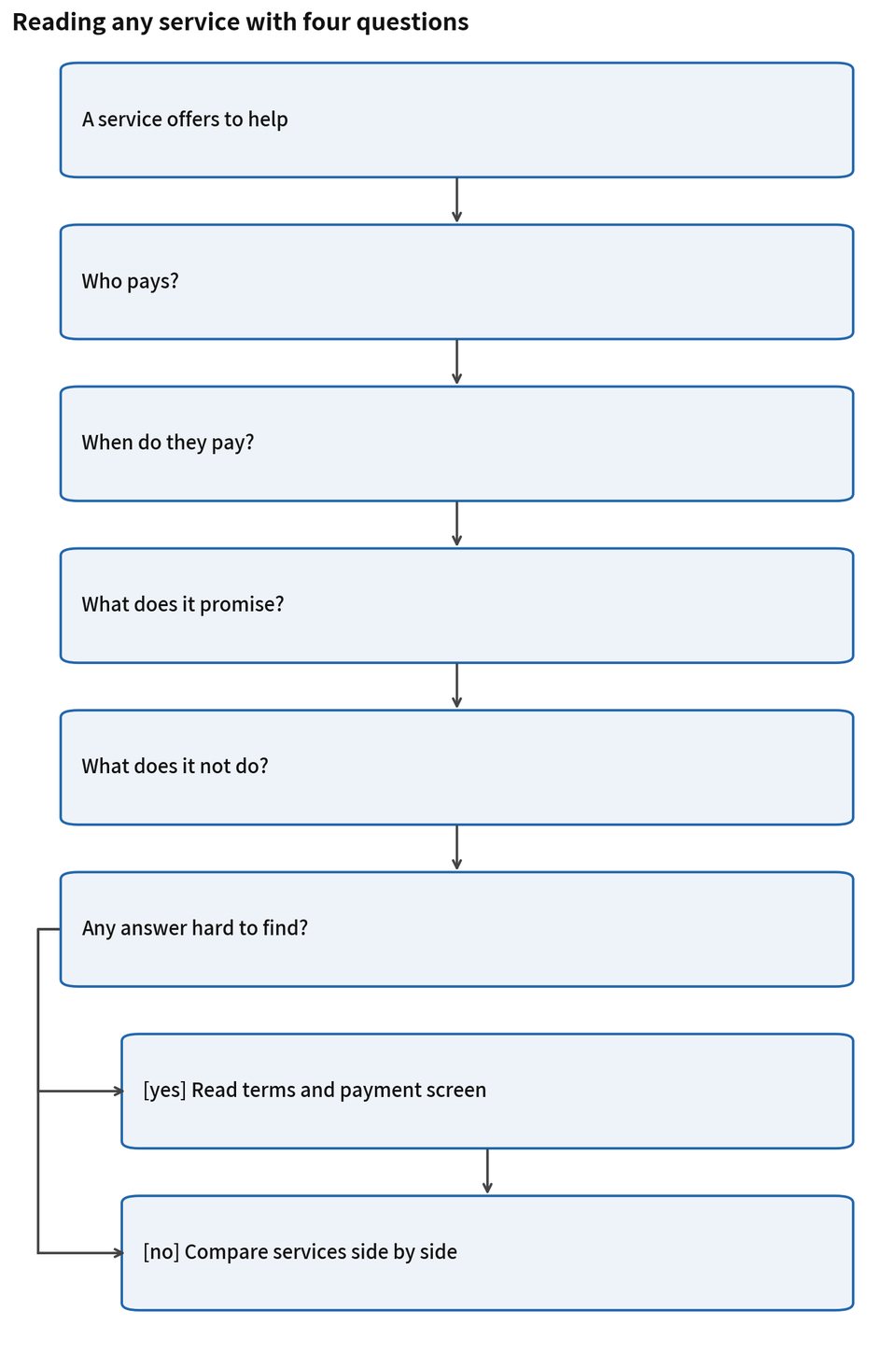
Figure 3-1. Ask the same four questions of every service, in order. If any answer is hard to find, read the terms, the pricing page, and the final payment screen.
| Question | Why ask it |
|---|---|
| Who pays? | Whether the money comes from the user or from somewhere else can shape what the service focuses on. |
| When do they pay? | Paying up front, paying after the refund arrives, or paying a set price changes who carries the risk. |
| What does it promise? | You need to know the scope and limit of the promise to set fair expectations. |
| What does it not do? | Whatever a service does not cover is what you need to check yourself. |
Example. A filer is choosing between two services. One says it "shows your refund first." The other says its "price is fixed." On screen, the first looks more convenient. The four questions change the picture. With the first service, what the filer pays may depend on the refund. With the second, the filer pays a set amount whatever the refund is. Which is better depends on the filer's situation.
Assumption. This section assumes that a service's public information and news reports are enough to answer the four questions. In practice, some conditions appear only in the terms or on the payment screen.
How to read it. If one of the four questions is hard to answer, that tells you something. In that case, read the terms, the pricing page, and the screen just before payment.
3.2 Fees tied to the refund, and paying after the refund
One common model ties the fee to the size of the refund. Another collects the fee only after a refund is confirmed. Some services pair these models with a compensation program.
Explanation. With a fee tied to the refund, a larger refund means a larger fee. With pay-after-refund, you pay nothing if no refund arrives. In pay-after-refund models, the gap between the estimated refund on the return and the deposited refund matters, because the two are not always the same. The terms should say which amount the fee is based on. A compensation program is an offer from the company. When it pays and what it covers depend on its terms.
Example. A filer gets a phone notice that says, "You may have money to get back from last year." The screen shows an expected refund. That number is an estimate the service calculated from the information it holds. The amount that actually arrives can differ, depending on how the tax agency processes the return. The filer has three things to check. Is the fee based on the estimated refund or the deposited refund? When is payment taken? If there is a compensation program, when does it apply?
Assumption. This section describes how these models work in general. Each service's actual conditions are set by its own terms and can change.
How to read it. Pay-after-refund can be read as a model where you pay nothing when there is no refund. Because of that, the fee conditions that apply when there is a refund need a closer look. What information a service collects and how it handles that information are matters for its terms and privacy notice. Chapter 21 covers how this book's site handles information. It separates what the site's screens say from what this book could not confirm.
3.3 U.S. tax software and its disclosed revenue
Intuit's TurboTax is widely used individual tax filing software in the U.S. This section looks at the public record around TurboTax and at one revenue figure the company disclosed.
State attorneys general settlement. According to announcements by state attorneys general, Intuit reached a settlement with the attorneys general of all 50 states and the District of Columbia (DC) in May 2022. The settlement amount was $141,000,000. Intuit did not admit wrongdoing in this settlement. News reports say about 4,400,000 taxpayers receive money under the settlement. The background and specific terms of the settlement are matters for the attorneys general's announcements.
Federal appeals court decision. According to Intuit's disclosures and news reports, the U.S. Court of Appeals for the Fifth Circuit set aside a Federal Trade Commission (FTC) order against Intuit on March 20, 2026. The case was sent back to the FTC. This chapter does not say how the case will end.
Disclosed revenue. Intuit's earnings release for the fourth quarter of fiscal year 2025, filed with the U.S. Securities and Exchange Commission (SEC) in August 2025, reports on TurboTax Live revenue. The disclosed figure is $2,000,000,000. This is the company's own disclosure. In it, the company also describes the year-over-year growth and the share of its Consumer group revenue. TurboTax Live is the product line that adds expert help. The disclosure shows that a substantial share of tax software revenue can come from added steps such as expert help.
Example. A U.S. household prepares its return with tax software. Partway through, a prompt asks something like, "Would you like to add an expert review?" The household has three things to check. If it adds the step, when does it pay and how much? What does that step promise? Can the household's current filing situation be handled without it? The answer depends on the household's income mix and filing situation.
Assumption. This section repeats what the attorneys general announcements, Intuit's disclosures, and news reports say. Legal proceedings may still be ongoing.
How to read it. A settlement amount and a court decision do not prove that "the company is bad." Read them as a reason to compare a service's ads with its actual payment terms. A revenue disclosure is the most direct evidence of where a service makes its money.
3.4 Government-run routes
In the U.S., there are also filing routes connected to the IRS, apart from private software. This book cites the IRS only as a source and has no relationship with it.
IRS Free File (IRS partnership with private companies). The IRS has run a filing program together with private tax software companies. A private analysis based on IRS data reports that 2% of 2024 federal returns used this program. This figure is a private news analysis of IRS data. It is not an official IRS announcement.
IRS Direct File. The IRS also ran its own filing tool, Direct File. According to a Congressional Research Service (CRS) report, Direct File handled more than 309,000 returns in the 2025 season. The same report says Direct File is not offered the following season.
Assumption. This section follows the CRS report and the private analysis as written. Government programs can change their scope and conditions from year to year.
How to read it. The existence of a government-related route is a separate question from how many people actually use it. Eligibility and whether a route is offered are matters for that year's IRS instructions.
3.5 Subscription services with a fixed price list
Some U.S. tax services charge a set price. Keeper is one example. According to Keeper's official pricing page, the Standard plan costs $199 a year, and the Premium plan on the same page costs $399 a year. This is the company's published price list. What each plan includes is a matter for the same page and the terms.
Example. A person with self-employment income compares a fixed-price service with a service whose fee is tied to the refund. With the fixed price, the person pays the same amount whether the estimated refund is large or small. With the refund-linked fee, the amount paid changes with the estimated refund. Which costs less depends on the size of the person's refund and how much help the person needs. This chapter does not decide that.
Assumption. This section assumes the prices on the official pricing page currently apply. Prices can change.
How to read it. With a fixed price list, "how much you get back" and "how much you pay" move separately. Each plan level covers a different scope, though. Check first which level your situation needs.
3.6 Recognizing preparers who ask for a share of the refund
Some preparers, whether people or businesses, set their fee as a share of the refund. This chapter has no figures for such preparers. The points below are general principles that follow from the rest of this chapter and from this book's rule: claim only as much as the evidence supports.
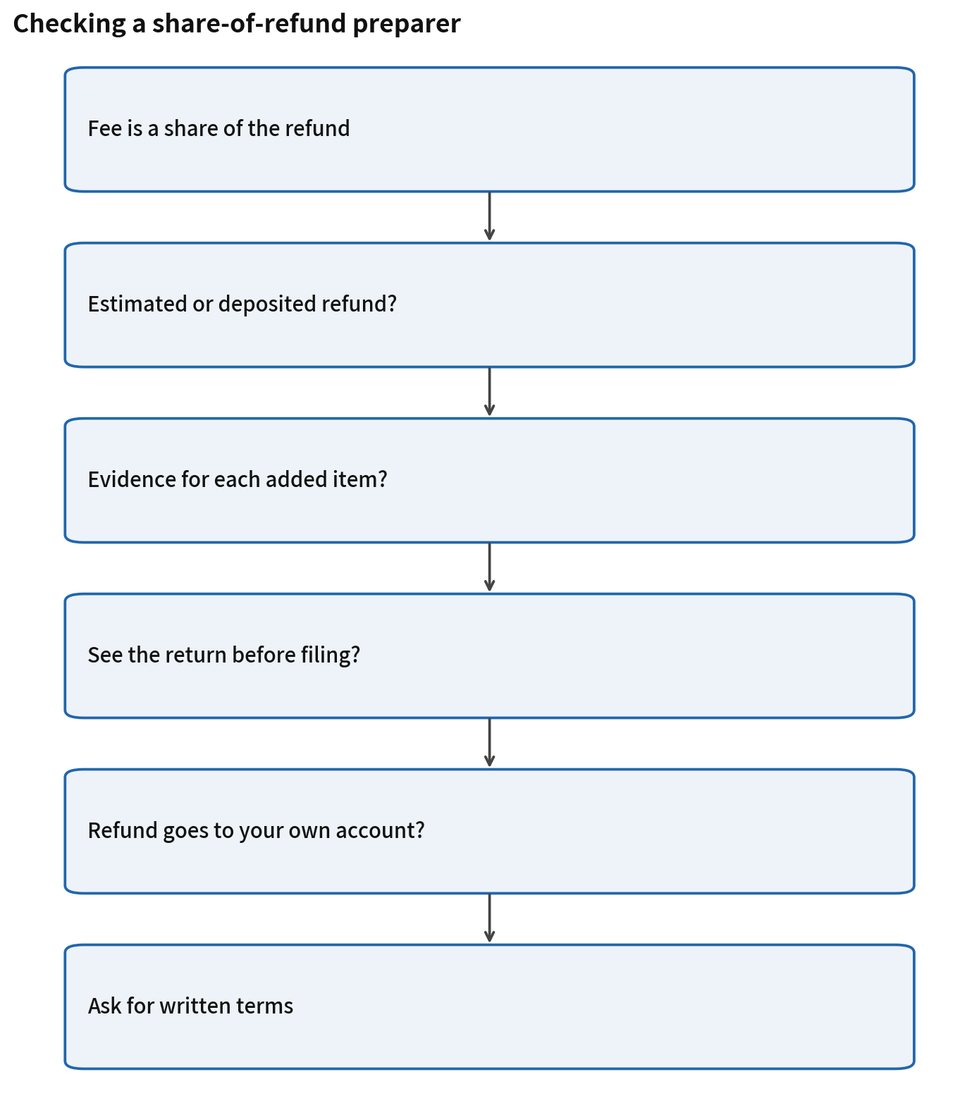
Figure 3-2. Each step is a question to ask, not a verdict. A signal tells you what to ask next.
Explanation. When the fee is a share of the refund, the preparer earns more as the refund on the return grows. That does not make the preparer wrong. It does mean every item that raises the refund deserves a check against evidence.
Signals to check.
- A refund figure is promised or suggested before the preparer has seen your documents.
- The fee is measured on the estimated refund on the return, not the deposited refund.
- The terms are vague about what the preparer does not do, or the four questions in section 3.1 cannot be answered.
- A deduction or credit is added, and you cannot see which form, instruction, or document supports it.
- You are not shown the completed return, or not given a copy, before it is filed.
- The refund is set to go somewhere other than an account in your own name.
How to read it. None of these signals settles the matter alone. Each one tells you what to ask. Ask for the terms in writing. Ask which amount the fee is based on. Ask what evidence supports each item that changes the refund.
3.7 Putting the services side by side
The table applies the four questions from section 3.1 to the services in this chapter and to this book's site. A cell is marked "Not covered in this chapter" when public material cannot answer it. The last column holds the public record this chapter uses.
| Service | Who pays | When they pay | What it promises | What it does not do | Public record used here |
|---|---|---|---|---|---|
| TurboTax (settlement and court record) | Not covered in this chapter | Not covered in this chapter | Not covered in this chapter | Not covered in this chapter | Settlement of $141,000,000 with all 50 states and DC, about 4,400,000 taxpayers, no admission of wrongdoing; Fifth Circuit decision March 20, 2026, case sent back to the FTC |
| TurboTax Live (disclosed revenue) | The user (per company revenue disclosure) | Not covered in this chapter | A product line with expert help | Not covered in this chapter | Revenue of $2,000,000,000 (fiscal 2025 fourth-quarter release) |
| IRS Free File (partnership with private companies) | Not covered in this chapter | Not covered in this chapter | Not covered in this chapter | Not covered in this chapter | Used for 2% of 2024 federal returns (private analysis) |
| IRS Direct File | Not covered in this chapter | Not covered in this chapter | Not covered in this chapter | Not offered the following season (CRS) | More than 309,000 returns in the 2025 season (CRS) |
| Keeper | The user: Standard $199 a year, Premium $399 a year (official price list) | According to the price list | Not covered in this chapter | Not covered in this chapter | Official pricing page |
| This book's site | Business model not decided | No success fee | Shows items to check, with sources and assumptions | Does not prepare returns, does not file returns, does not promise a refund | — |
How this book's site differs. This book's site does not process refund claims. You enter your situation, and the site shows deductions and credits you may have missed. Each item comes with the names of the forms and instructions behind it and the assumptions used. The result is "items to check under these conditions." It does not promise a refund amount. It does not take a fee tied to the refund, and it does not prepare returns. Its business model has not been decided. Chapter 20 explains how to read the site's results as ranges and assumptions.
Assumption. Each cell contains only what published reports, disclosures, or price lists say about that service. A cell marked "Not covered in this chapter" does not mean the service lacks that condition.
How to read it. Read across a row to see one service as a whole. Read down a column to compare how each service answers the same question.
FAQ
Question. Can I trust the number a service shows before I sign up? Answer. The number on screen is an estimate calculated from the information the service holds. The amount actually deposited can differ, depending on how the return is processed. Check the terms to see which amount the fee is based on.
Question. Should I avoid a service with a settlement or a court record? Answer. This chapter neither recommends nor warns against any service. A settlement can be reached without an admission of wrongdoing, and a case can continue after a court decision. Read the record as a reason to compare the ads with the payment terms.
Question. A preparer offers to work for a share of my refund. What should I ask? Answer. Ask the four questions in section 3.1. Then ask whether the fee is based on the estimated refund or the deposited refund, what evidence supports each item that raises the refund, and whether you will see the return before it is filed. Section 3.6 lists the signals to check.
Question. If I use this book's site, is my return filed? Answer. No. The site shows items to check, with their sources and assumptions. It does not prepare or file returns.
What this comparison shows
The difference between services shows up more clearly in how money moves than on their screens. A fee tied to the refund costs nothing when there is no refund, but the fee can grow as the refund grows. A fixed price list charges a set amount whatever the refund, but each plan level covers a different scope. Tax software revenue disclosures show that added help steps can be a large part of revenue. Government-related routes exist, but actual use and availability can change from year to year. With any model, checking first "what does it not do?" narrows the gap between what you expect and what you get.
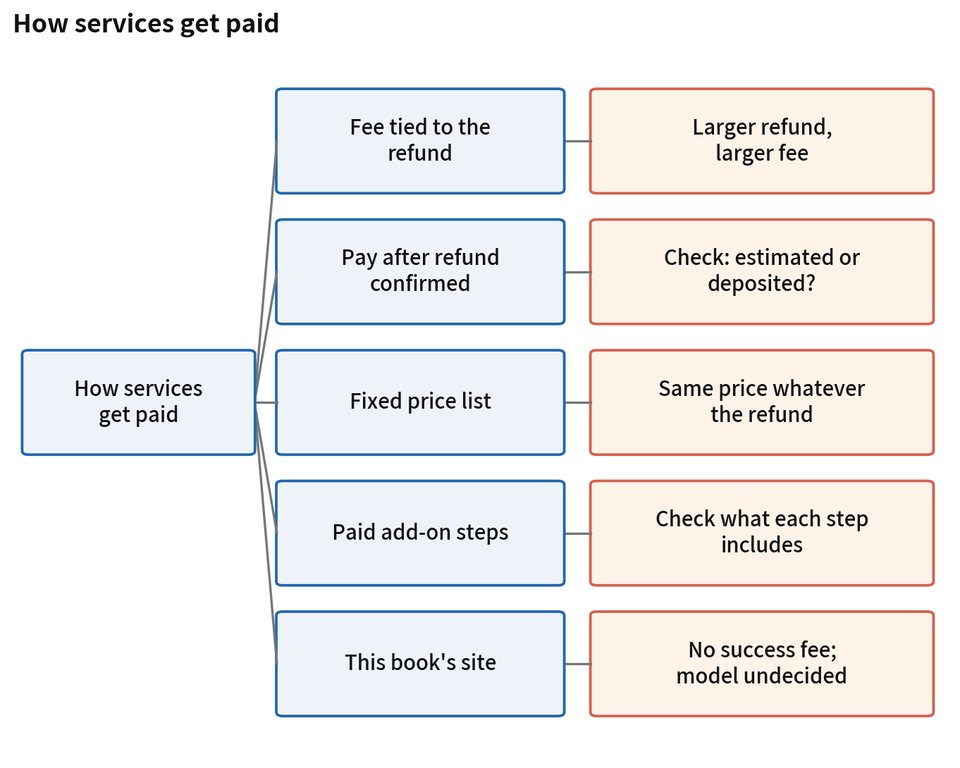
Figure 3-3. The payment models described in this chapter. Which costs less depends on refund size and how much help is needed.
Limits of this chapter
- The service information in this chapter comes from news reports, company announcements, company filings, and government agency reports. It does not reproduce any service's full terms.
- Legal proceedings involving TurboTax were sent back to the FTC. This chapter does not cover the final outcome.
- This chapter does not cover the background or specific terms of the state attorneys general settlement.
- The IRS Free File usage figure comes from a private analysis. It is not an official IRS announcement.
- Prices, compensation limits, and whether government programs are offered can change over time.
- This chapter does not cover services it does not name. A service named here is not presented as typical.
- Section 3.6 gives general principles only. This chapter has no figures for preparers who charge a share of the refund.
- How an outside service handles personal information is a matter for that service's terms. Chapter 21 covers how this book's site handles personal information.
What is confirmed / What cannot be decided yet / Information you need
What is confirmed
- According to the state attorneys general announcements, Intuit settled with the attorneys general of all 50 states and DC without admitting wrongdoing.
- According to Intuit's disclosures and news reports, the Fifth Circuit set aside the FTC order, and the case was sent back to the FTC.
- Intuit's fiscal 2025 fourth-quarter disclosure reports TurboTax Live revenue, its growth, and its share of revenue.
- According to the CRS report, IRS Direct File operated in the 2025 season and is not offered the following season.
- Keeper publishes Standard and Premium prices on its official page.
- This book's site does not prepare returns and does not take a success fee. Its business model has not been decided.
What cannot be decided yet
- This chapter does not decide which service fits a particular reader. That depends on income mix, refund size, and how much help is needed.
- Whether a refund-linked fee or a fixed price costs less depends on refund size. This chapter does not decide it.
- The final outcome of the TurboTax legal proceedings cannot be decided yet.
Information you need
- The terms, pricing page, and final payment screen of any service you plan to use.
- The condition that says whether the fee is based on the estimated refund on the return or the deposited refund.
- For a compensation program, the program terms that state its conditions and limit.
- For a government-related filing route, that year's IRS instructions on eligibility and availability.
- For a preparer who charges a share of the refund, written terms and the evidence behind each item that changes the refund (section 3.6).
- The scope of personal information a service collects (see Chapter 21), and how to read results as ranges and assumptions (see Chapter 20).
Key values and sources in this chapter
| Value | What it is | Status | Source |
|---|---|---|---|
| $141,000,000 | Intuit (TurboTax) settlement with all 50 states and DC, May 2022, no admission of wrongdoing | Extracted value, review pending | State attorneys general announcements, May 2022 |
| About 4,400,000 | Taxpayers receiving money under that settlement | Extracted value, review pending | News reports |
| March 20, 2026 | Date the Fifth Circuit set aside the FTC order; case sent back to the FTC | Extracted value, review pending | Intuit disclosures and news reports |
| $2,000,000,000 | TurboTax Live revenue | Extracted value, review pending | Intuit fiscal 2025 fourth-quarter earnings release filed with the SEC, August 2025 |
| 2% | Share of 2024 federal returns filed through IRS Free File | Extracted value, review pending | Private news analysis based on IRS data |
| More than 309,000 | Returns handled by IRS Direct File in the 2025 season | Extracted value, review pending | Congressional Research Service report |
| $199 a year | Keeper Standard plan price | Extracted value, review pending | Keeper official pricing page |
| $399 a year | Keeper Premium plan price | Extracted value, review pending | Keeper official pricing page |